Why the British Lost at Isandlwana: A Chain of Bad Choices
Ever wonder why the British lost at Isandlwana? I did. For years. On January 22, 1879, about 20,000 Zulu warriors hit a British camp in South Africa. By dusk, more than 1,300 British and allied troops were dead. One of the worst defeats in British army history. Not a close call. A slaughter.
I read Adrian Greaves’ book on the battle, and it changed how I see it. This is not a tale of bad luck. It is a chain of bad choices. Let’s walk through them.
Why the British Lost at Isandlwana Starts With Pride
The British saw the Zulu as primitive. They had rifles and cannon. Most Zulu fighters carried spears and shields. Easy win, right? Not a chance. Leaders at the time believed modern guns beat any army in Africa. That belief made them lazy. They skipped scouting. They skipped planning. They showed no respect for their foe. Greaves digs into this blind spot and does not let the British off easy.
Why the British Lost at Isandlwana: Chelmsford Split His Army
Lord Chelmsford led the column. He had a big force. Then he cut it in two. He marched part of it away from the camp at Isandlwana to hunt for the main Zulu army. It was not there. Meanwhile, the camp sat with too few men. A strong force should stay together. Basic stuff. Yet he broke that rule.
Experts Gave Warnings and He Ignored Them
Here is the part that gets me. The British had officers who knew Africa. They had fought wars there. They knew how fast a Zulu army could move. They gave advice. The general did not listen. That is one big reason why the British lost at Isandlwana. Good advice means nothing if the boss shuts it out.
A Camp With No Defense
The camp had no trenches. The wagons stood in lines, not in a tight ring. When the attack came, the men spread thin across a wide front. Ammunition ran low at the worst moment. Sound like a plan to you?
How the Fight Fell Apart
The fight began around midday and ended by late afternoon. A patrol found the Zulu army hiding in a valley. Then the warriors rushed in. The British fired fast, but the Zulu kept coming. Men fell back. The line cracked, then it fell apart. Many ran for the Buffalo River. Many died on the way.
How the Zulu Won the Day
Don’t give all the blame to the British. The Zulu earned this win. King Cetshwayo’s army moved fast and stayed hidden. Then it struck. The warriors used a plan called the chest and horns. The chest hit the front. The horns swung wide and wrapped around both sides. The British line broke. It happened fast.
So when you ask why the British lost at Isandlwana, give the Zulu credit too. They had discipline, speed, and strong leaders. They knew the land. They picked their moment. Greaves shows both sides well, and that is what I liked most about his book.
The Aftermath and Rorke’s Drift
The news shocked Britain. The empire thought itself unbeatable. Then a force of warriors with spears broke a modern column in a single day. Think about that. A modern army, beaten in hours, by men on foot. Reporters, leaders, and families back home wanted answers. Blame flew in every direction. Chelmsford’s name never recovered.
That same day, about 150 British soldiers stood at Rorke’s Drift. They faced thousands of Zulu. And they held the mission station. That story got the glory. The 1964 film Zulu made it famous. But Isandlwana came first, and it is the real shock.
What We Can Learn Today
Isandlwana holds lessons for any job or team. Don’t underestimate the other side. Listen to people who know the ground. Keep your team together. Plan for the worst. Pride feels strong. It is a weak shield.
Small choices stack up. One bad call is a mistake. Five bad calls are a disaster. Every workplace has a Chelmsford moment. Have you seen one? A boss waves off a warning, then pays for it later. Most of us have seen it.
Why the British Lost at Isandlwana: Key Takeaways
Here is the short answer to why the British lost at Isandlwana.
Pride made them weak. Chelmsford split his army. He ignored advice from officers who knew Africa. The camp had no real defense. And the Zulu army struck with speed and skill.
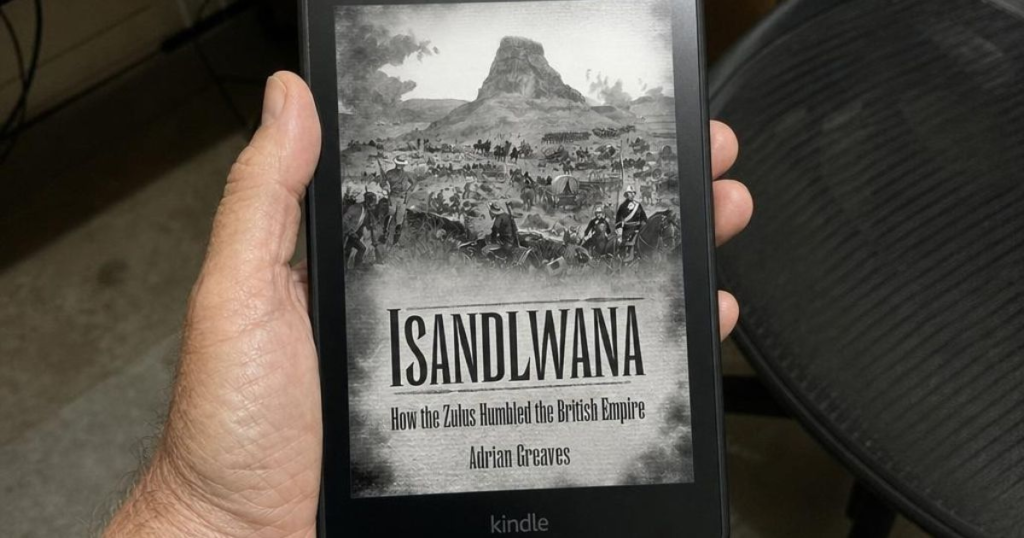
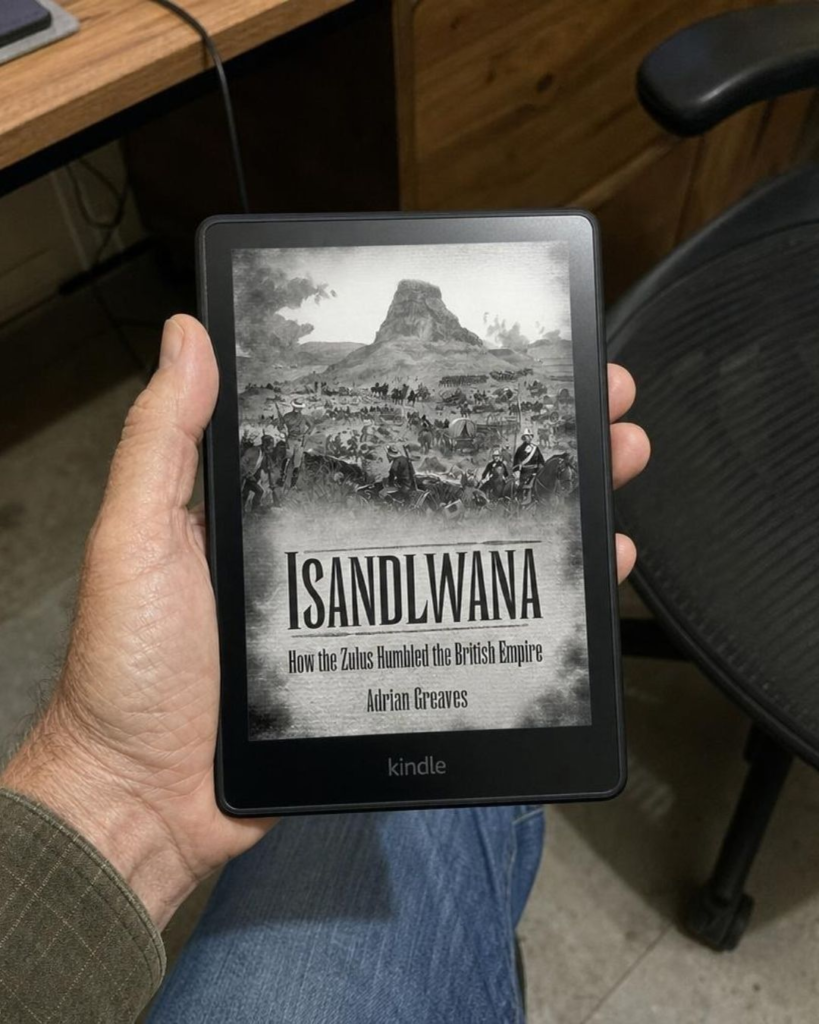
Want the full story? Read Adrian Greaves’ Isandlwana: How the Zulus Humbled the British Empire. I gave it four out of five stars. You can also pair it with Zulu Rising by Ian Knight.
Now you know why the British lost at Isandlwana. Share it with a history buff you love.