Israeli Military Innovation Starts With a Problem
Introduction
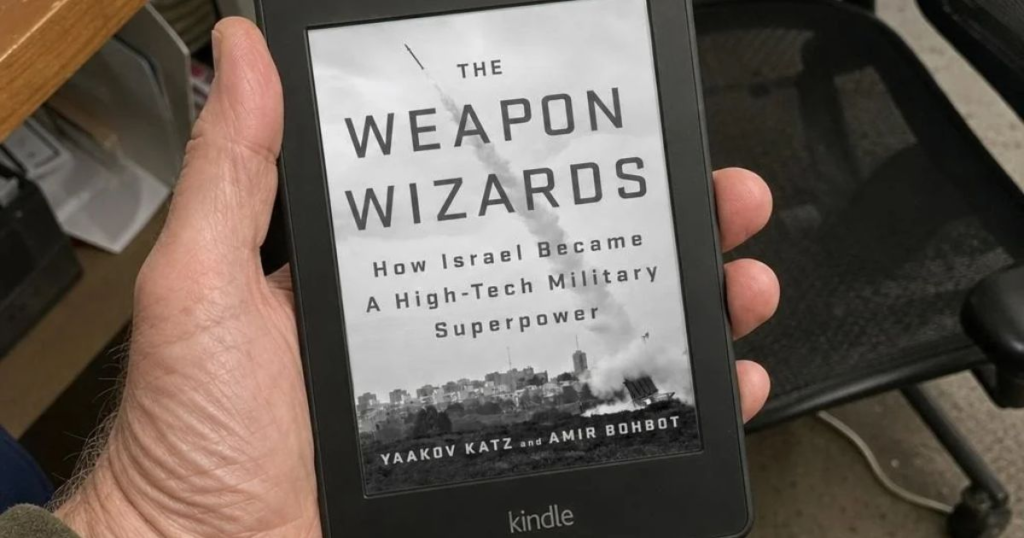
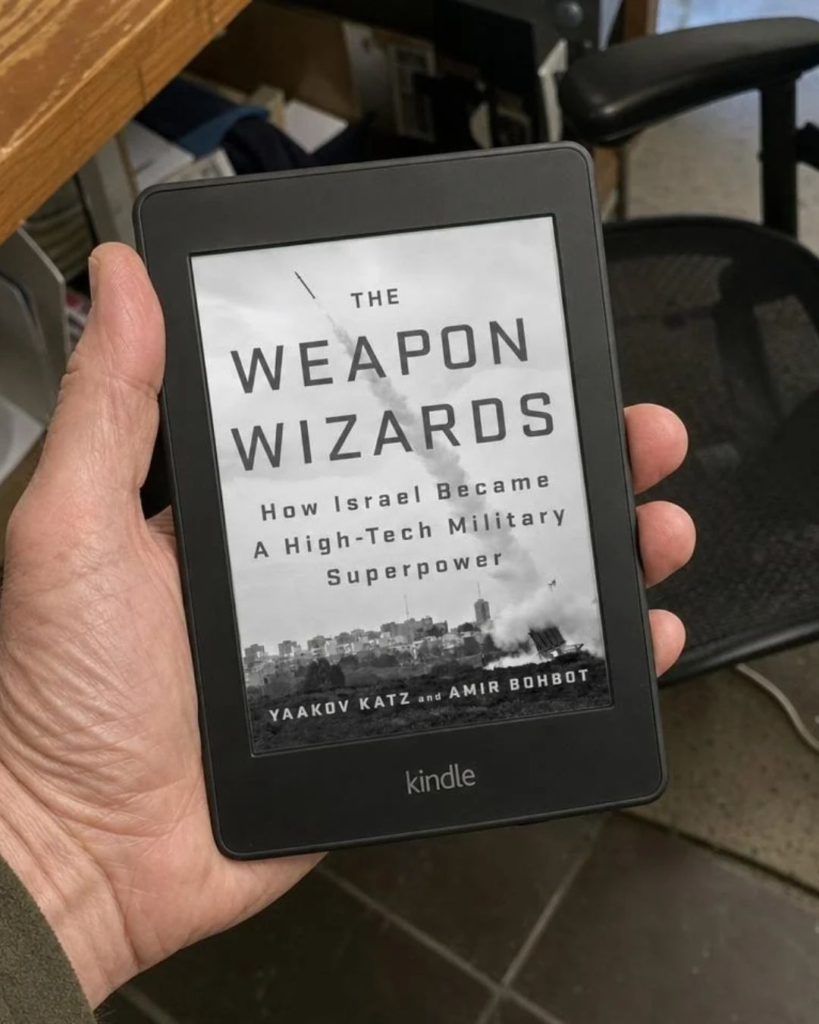
Israeli military innovation was a blind spot for me until I read a book by Yaakov Katz and Amir Bohbot. I always figured Israel bought its gear from the United States and tweaked it a bit. Nope.
The book is The Weapon Wizards. I gave it three stars out of five. But it changed how I see one small country. Why? Because it proves something big. Little money and heavy pressure did not stop Israel. It built world-class tools anyway. Want to know how? Stick with me.
Israeli Military Innovation Starts With a Problem
Here is the big idea. Israel is tiny. It has little land and few resources. For most of its life, it has faced enemies close to its borders. Sounds like bad odds, right?
Katz and Bohbot say those odds were the spark. When you can’t outspend your rivals, you out-think them. When you can’t count on others to hand you weapons, you build your own. Necessity pushes people to try wild ideas. And some of those ideas work.
That is the heart of Israeli military innovation. A problem shows up. Someone finds a fix fast. Then the fix gets better. Repeat.
The book walks you through the whole timeline. It starts with early struggles, when the country had little gear and tight budgets. It moves toward modern breakthroughs. You can see how each step built on the last. Old lessons shaped new tools.
The book also puts faces on the story. You meet inventors, engineers, soldiers, and leaders who took big risks. I liked those parts best. Facts are fine. People make a story stick.
Drones, Iron Dome, and Cyber Tools
Now for the cool stuff. The authors spend a lot of time on three areas.
First, drones. Israel became a leader in unmanned aircraft. The book shows how small, scrappy ideas grew into a whole industry.
Second, the Iron Dome. This system stops incoming rockets before they hit cities. It changed how Israel defends its people. Katz and Bohbot explain how Israeli defense research made it possible.
Third, cyber weapons. War does not stay on the ground anymore. Today it also lives on screens. The book shows how digital tools became a core part of defense.
Each story follows the same path. A hard problem. A quick fix. A better tool. That pattern shows up again and again in Israeli military innovation. It makes the book easy to follow. Even when the tech gets deep.
The Big Surprise I Did Not See Coming
Here is what got me. I thought Israel was a smart shopper. Buy gear from big allies, add a few tweaks, done. The book says no. Israel designs and builds advanced systems of its own. Its scientists, its soldiers, and even its spies all play a part.
That teamwork stuck with me. A scientist has an idea. A soldier knows what the field needs. They talk, test, fail, and try again. Is it that simple? Not a chance. But the book makes the process feel real.
Why does this matter to a regular reader like you and me? Because the same habits work in daily life. Face a hard problem. Stay curious. Try a fix. Learn from the flop. Try again.
Is This Israeli Military Innovation Book Worth Your Time?
Short answer: yes, with a few notes.
The writing is clear. Katz once edited The Jerusalem Post, and he knows how to tell a story. The two authors do not stack up facts like bricks. They share real stories about the people who built these tools. I never felt lost.
But some pages get technical. A few made my eyes glaze over. Some readers will skim those parts, and that is fine. The big picture still comes through.
So why three stars and not five? It is a solid read, not a life-changer for me. Good, not great. But I learned something new, and that counts. Fair enough?
Who should grab it? Fans of history will enjoy it. Tech nerds will love it. And anyone who wants to understand Israeli military innovation will get plenty out of it.
If you want more after you finish, try these:
- Start-up Nation by Dan Senor and Saul Singer
- The Sword and the Olive by Martin van Creveld
- Wired for War by P.W. Singer
- The Pentagon’s Brain by Annie Jacobsen
Key Takeaways
- Israel built its own tools because it had to.
- Israeli military innovation grows from tight budgets, big threats, and fast thinking.
- Drones, missile defense, and cyber tools are the big stars.
- The writing is clear, though some pages get technical.
- My score: three out of five.
Did you think Israel bought all its weapons abroad? I did. Now I know better. Have you picked up a book that flipped what you believed? Tell me about it in the comments.