From Napoleon to the Holocaust (Vatican Espionage History)
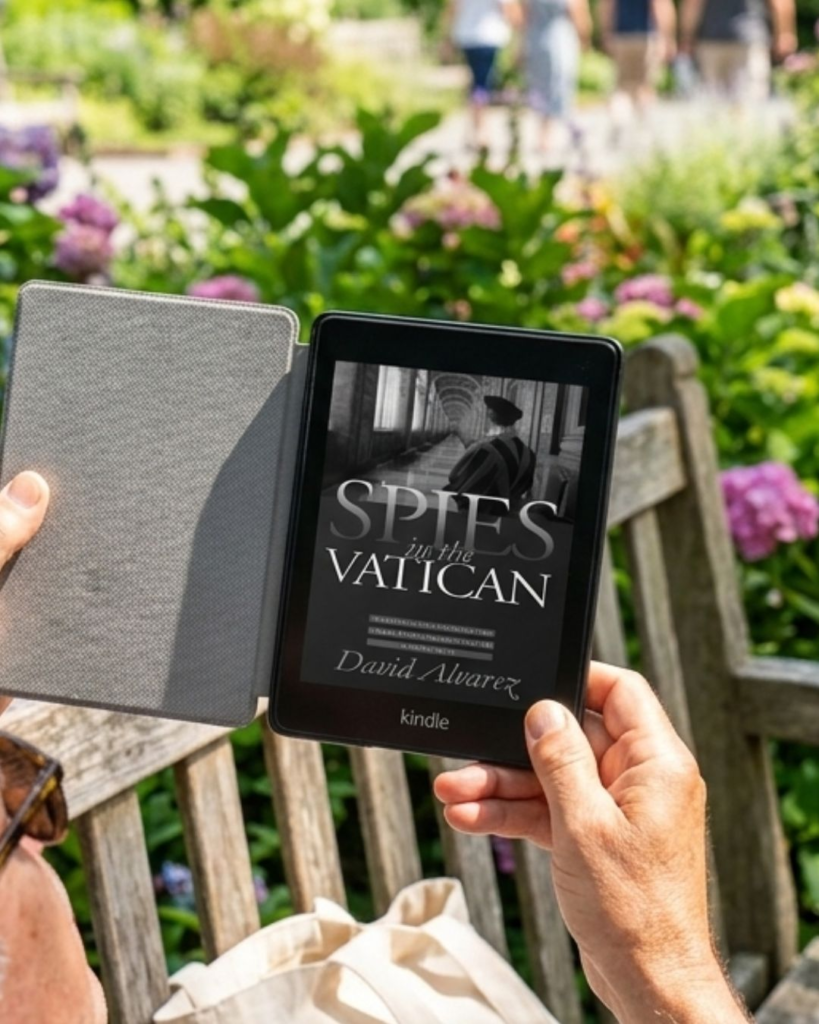
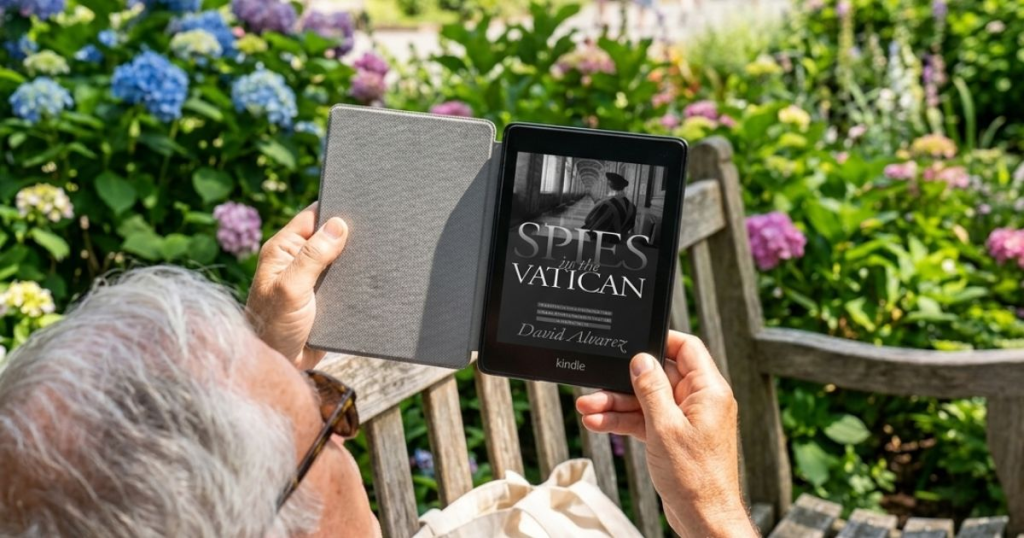
I started David Alvarez’s book about Vatican espionage history with low expectations. I thought it would be dry. I was wrong.
Vatican espionage history is stranger than fiction. And I mean that. The Vatican is not just a church. It is a tiny country with its own army, its own bank, and its own spies. Sounds wild, right?
Alvarez starts with Napoleon. The French emperor wanted to crush the Pope. He invaded Rome. He took Pius VII prisoner. But the Vatican fought back. It used priests as spies. It sent coded letters across Europe. Faith became a weapon. Information became power.
The book moves fast. Alvarez shows how ten popes dealt with secret wars. From Pius VII to Pius XII, each one faced a new threat. Some popes played the game well. Others got burned. The Vatican gathered intelligence from every corner of the globe. Priests in foreign lands sent reports home. Diplomats whispered in hallways. The Church built a network most people never knew existed.
And it worked. For a while.
The World War I chapters hit hard. Nations spied on the Vatican. They wanted to know where the Pope stood. The Vatican tried to stay neutral. But neutrality is hard when bombs fall. Secret agents pretended to be clergy. They wore cassocks and carried guns. Alvarez names names. He shows how double agents moved through Rome like ghosts.
Then came the rise of fascism. Mussolini shook hands with the Church. Hitler watched from afar. The Vatican walked a tightrope. It had to protect Catholics in Germany. It also had to avoid open war with the Nazis. Pius XII gets the most heat here. Critics say he stayed too quiet. Supporters say he saved lives in secret. Alvarez does not pick a side. He shows the facts. He lets you decide.
The Holocaust section broke my heart. The Vatican knew things. It received reports about death camps. Some priests risked everything to smuggle Jews out. Others froze. Fear is a powerful thing. The book does not hide this. It shows humans at their best and worst. That is what good history does.
I loved the spy craft details. Alvarez explains how the Vatican coded messages. He shows how popes used secret channels to talk to world leaders. The Vatican served as a bridge between enemies. It carried quiet warnings. It brokered peace deals that never made the papers. Papal diplomacy is not about headlines. It is about whispers.
The book also covers the dark side. Power corrupts. Even inside the Church. Some Vatican officials sold secrets. Others played nations against each other for personal gain. Alvarez exposes these cracks without glee. He writes with respect. But he does not look away.
Some parts drag a bit. The author loves his archives. He quotes documents that feel endless. But the payoffs are worth it. When Alvarez connects a secret memo to a real event, the room lights up. You see how a single letter changed a war. You see how a hidden report saved a life.
The book made me think about my own Catholic faith. I understand the struggle the Church faced. The Vatican had to balance faith and politics. That is not easy. Prayers do not stop tanks. But information might. The Church chose to fight with brains instead of bullets. In the history of Vatican espionage, the pen was often mightier than the sword.
Alvarez writes for normal people. He avoids big words. He keeps sentences short. The chapters are bite-sized. You can read one before bed and sleep with your mind racing. I did.
So who should read this? History buffs, yes. Spy fans, sure. But also anyone who wonders what happens behind closed doors. The Vatican has walls for a reason. This book climbs over them.
It is not perfect. Some gaps exist. The Vatican still hides files. Alvarez can use what is public. But he squeezes every drop from those files. The result is a clear picture of a hidden world.
The book held my attention from the start. I kept turning the pages, eager to see what came next. What began as a book I expected to find interesting became a book I found hard to leave alone.
Vatican espionage history is real. It is messy. It is human. And it is way cooler than any spy movie I have seen. Alvarez proves that truth beats fiction every time.
Grab a copy. Read it. Then look at the news. You will never see the Vatican the same way again.