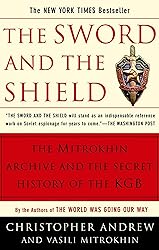
Why This Mitrokhin Archive Book Review Matters for Cold War History
The KGB spent decades convincing the world it was invisible. They ran agents in London. They stole nuclear secrets in Washington. They spread lies that echo today. And we almost never knew any of it. Not a chance. Vasili Mitrokhin walked out of Russia. He carried a hidden archive. This collection changed history. This is my Mitrokhin Archive book review.
I picked up The Sword and the Shield on my Kindle after hearing about it for years. I figured it would be dense. I figured I would skim. I was wrong on both counts. This book grabbed me from the first chapter and refused to let go.
Mitrokhin was not a field agent. He was an archivist. A paper-pusher inside the KGB’s foreign intelligence directorate. For over a decade, he hand-copied classified files onto scraps of paper. He kept his work secret.. He smuggled them out daily. He hid them at his country house. The Soviet Union collapsed. Vasili Mitrokhin defected to Britain. He brought the collection with him. Think about that. One man, sitting in a dusty archive, decided the truth mattered more than his own safety.
Christopher Andrew, a British intelligence historian, got exclusive access to the archive. Together they built something remarkable. A book that reads like a behind-the-scenes tour of the KGB’s entire foreign operation. And I mean entire. The scope here is staggering.
The United States was the KGB’s “Main Adversary,” and the book lays out exactly what that looked like. Recruited agents inside government agencies. Stolen defense secrets. Fake stories planted in newspapers. The KGB even pushed the lie that the U.S. military created AIDS. They tried to ruin Martin Luther King Jr.’s reputation. They funded groups designed to stir chaos in Western countries. This was not occasional spying. This was a full-scale shadow war fought every single day.
Some revelations floored me. Melita Norwood was a quiet British woman. She passed nuclear secrets to Moscow for forty years. Robert Lipka sold out the NSA from the inside. The Cambridge Five were just the tip of a very deep iceberg. The archive exposes spy networks most people have never heard of. Operations in Africa, Latin America, the Middle East. The KGB had its fingers in everything.
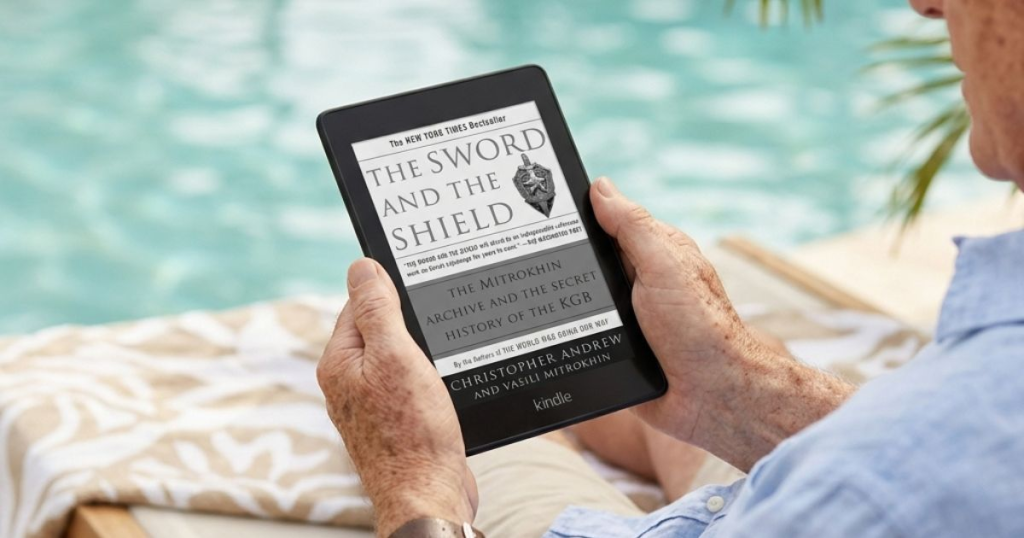
Reading this on a Kindle helped. I highlighted passages constantly. I added digital notes when a name or operation matched my previous reading. The book is thick with detail, and having a searchable digital copy made it easier to jump back and check facts. Some sections do read like a catalog of names and code names by country. That can feel repetitive. You have been warned.
But here is the thing. The sheer volume of information is also the book’s greatest strength. This is not hearsay from a single defector with a grudge. These are the KGB’s own files. Reports, plans, assessments, all copied straight from the source. That changes the game entirely. When Mitrokhin describes an operation, he is not guessing. He is quoting the paperwork.
Does the book have blind spots? Absolutely. Because the archive comes from inside the KGB, you get the KGB’s perspective. You see what they thought they achieved. You see less of what Western counterintelligence actually knew or how they responded. The book depends on Mitrokhin’s choices. He chose which files to copy. It also depends on Andrew’s choices about what to include. Some topics get rich detail. Others get a passing mention.
And yes, it is dense. This is not a beach read. You need focus. You need patience. But if you care about how the Cold War actually worked beneath the headlines, you need this book on your screen.
Why This Mitrokhin Archive Book Review Matters for Cold War History
Most history books about espionage rely on three sources. They use secondhand accounts. They use declassified Western documents. They use memories from aging spies. The Mitrokhin Archive is different. It is the enemy’s own paperwork, smuggled out by a man who risked execution to preserve it. That single fact makes The Sword and the Shield an important intelligence book. It ranks among the best books in the genre.
It reshaped how historians understand Soviet operations. Governments launched investigations after its publication. Spies were identified. Reputations were destroyed. The archive proved that the KGB’s reach was even wider than many experts had suspected. And it showed how patient, methodical, and relentless Soviet intelligence truly was.
I finished this book with a different understanding of the twentieth century. The Cold War was not just missiles and speeches. It was a hidden war of stolen secrets, forged documents, and recruited believers. The KGB played that game with brutal consistency for decades. And thanks to one archivist with a conscience, we finally get to see the scorecard.
Read nonfiction for real stories that beat fiction. Add this book to your Kindle library. It is not always easy. It is not always fast. But it is absolutely essential. This review of The Mitrokhin Archive barely scratches the surface. Vast amounts of information wait inside those pages. Trust me. You will never look at the Cold War the same way again.