What This Lance Armstrong Memoir Gets Right About Survival
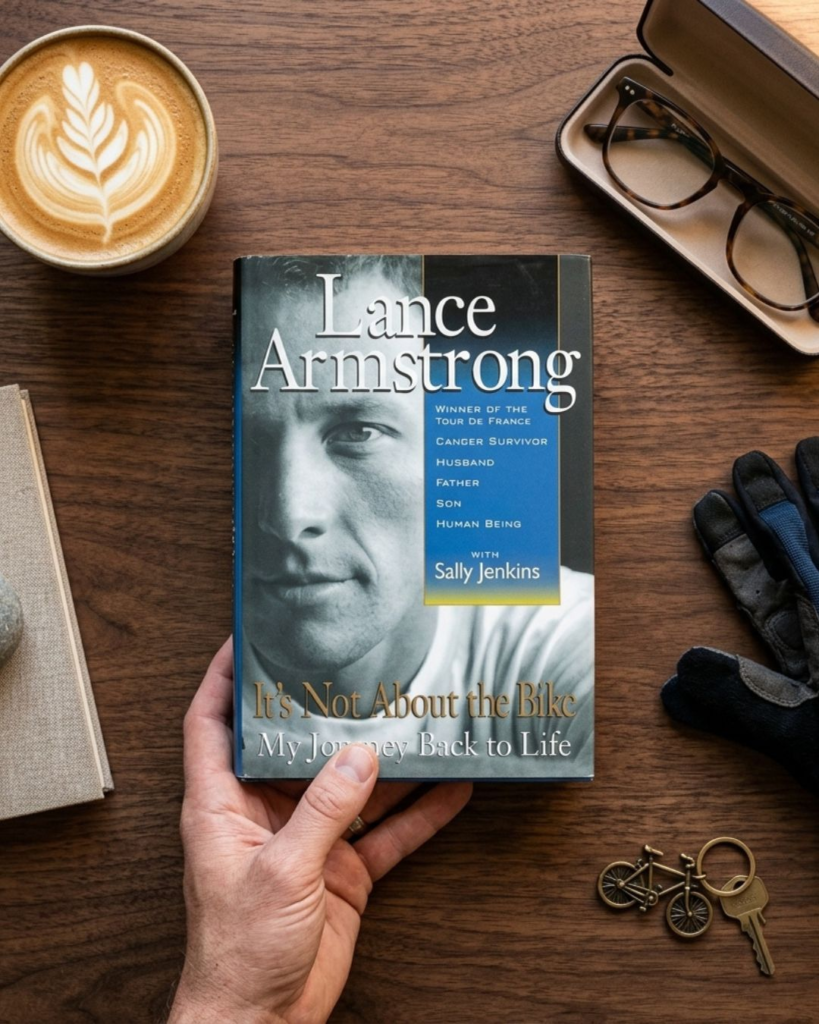
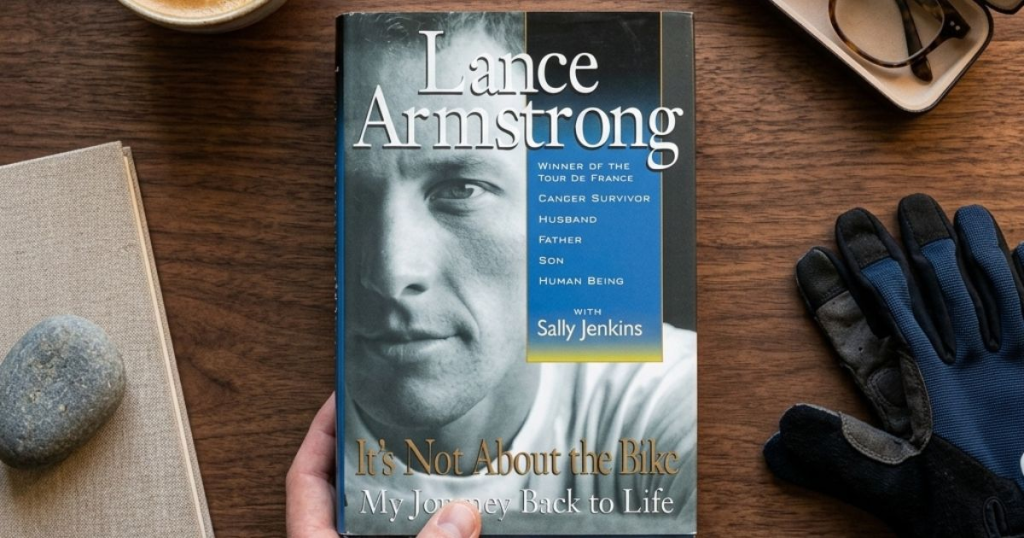
This Lance Armstrong memoir grabs you by the throat. It refuses to let go. Armstrong wrote “It’s Not About the Bike” with Sally Jenkins back in 2000. The book tracks his fight against testicular cancer. It covers his return to cycling and his 1999 Tour de France win. The title says it all. The bike is just a tool. The real story is the man.
Armstrong was twenty-four and at the top of his sport. Then doctors found cancer. It had spread to his lungs and brain. The odds were terrible. Most people would have crumbled. Armstrong chose the hardest treatment path instead. He faced surgery and brutal chemotherapy. He lost weight and strength. But he kept his mind sharp. He trained through the pain. He refused to accept defeat. That fire drove every decision.
The book shines. It stays raw throughout. Armstrong does not sugarcoat the pain. He describes the fear with honest words. You feel the hospital rooms. The smell of antiseptic seeps through the words. The beeping machines feel real. You sense the doubt creeping in. Then you see the push back. You see the refusal to sink. This is not a polished hero story. It is a man fighting for his life. The medical details hit hard. Armstrong spares nothing.
The cycling details add real flavor. Armstrong explains the demands of the Tour de France. He breaks down the training and the pain. Fans of professional cycling will eat this up. But you do not need to love bikes to connect here. The human struggle carries the whole book. Armstrong writes about his early racing days too. He was always fierce. He always pushed limits. Cancer did not change that drive. It focused it. The races feel electric. You taste the adrenaline.
This Lance Armstrong memoir also shows real personal growth. Cancer stripped everything away. Armstrong had to rebuild from zero. He learned to value health and family. He saw love with new eyes. He grasped the truth at last. Luke entered the world that same year. The book ties these threads together with clean prose. No fancy tricks. Just truth. Armstrong never asks for pity. He asks for respect.
The memoir moves at a quick pace. No chapter drags. Each section builds on the last. You feel the momentum building toward the 1999 Tour.
Some readers struggle with the doping scandal. Armstrong later admitted to cheating. Officials stripped away his Tour wins. Does that ruin this memoir? I say no. The cancer story stands on its own. The fear and fight were real. The hospital visits happened. The pain was not fake. His body broke down. His spirit did not. That is the core message here. Pain breaks bodies. Will rebuilds them.
The writing style is direct and fast. Jenkins helped shape the narrative with clear structure. The chapters move with purpose. You get action and reflection in equal parts. Armstrong sounds like himself throughout. He is cocky at times. He is vulnerable at others. That mix makes him human.
The book came out before the scandal broke. Readers should keep that context in mind. It captures a specific moment in time. It captures a man believing his own story.
The prose is clean and uncluttered. No fluff fills these pages. Armstrong and Jenkins cut straight to the point. They respect the reader’s time. They respect the reader’s intelligence. You finish the book feeling changed. You finish it feeling stronger.
Would I recommend this book? Without question. It works for sports fans and cancer survivors alike. Anyone facing hard odds will find value here. Humans can endure. Armstrong shows us how. The Lance Armstrong memoir delivers grit on every page. Will meets catastrophe in these pages. Armstrong shows us the result. The pacing never lags. The emotion never feels forced.
Cancer survivors have praised this book for decades. They see their own fears reflected here. They see their own strength mirrored back. That matters more than any cycling title. This Lance Armstrong memoir earns its place on the shelf. It earns its spot in the conversation about survival. Read it for the fight. Read it for the honesty. You will not forget it.
You want a true survival story? Pick up “It’s Not About the Bike.” It will not give you easy answers. It will give you honest ones. And sometimes, we need that most of all.