What You Will Find Inside This MI6 History Book
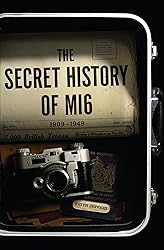
I love a good spy story. But the best MI6 history book I ever read has no car chases and no gadgets. It has files. Real ones. Keith Jeffery wrote The Secret History of MI6: 1909-1949, and he got to open vaults that most of us will never see.
Sounds wild, right? Britain’s spy agency let a historian walk in and read its secrets. I picked up the book on a slow weekend and stayed up way too late with it. Why? Because the real story beats the movie version. Let me show you what I found.
Who Wrote The Secret History of MI6: 1909-1949?
Keith Jeffery was a historian from Northern Ireland. He taught at Queen’s University in Belfast. He spent his career studying war, empire, and spies. MI6 picked him to write its official story. Why him? He had a name for being fair. He did not chase hype. He chased facts.
He got full access to the files from 1909 to 1949. Think about that. Forty years of cables, reports, and plans. Some were dull. Some made my jaw drop. Jeffery read them all and wrote about them in plain terms. He died in 2016, but his book still stands as the main account of those early years.
How MI6 Started Small
Here is what surprised me. MI6 did not start as a mighty machine. It began in 1909 as a tiny office with a few people and a thin budget. The first boss, Mansfield Smith-Cumming, signed his notes with one letter in green ink. C. That habit stuck, and the head of MI6 still goes by C today.
This MI6 history book shows why that tiny office mattered. Before World War I, Britain feared German power. Leaders wanted eyes and ears abroad. So the bureau built networks of agents, made contacts, and sent reports home. It was messy. Mistakes piled up. But the lessons piled up too.
Then came the Great War. The agency learned about codes, couriers, and cover stories. It learned that one bad source can sink a whole network. By 1918 the office was bigger and sharper. It had found its purpose.
Spies, Failures, and Wins
Jeffery does not treat spies like movie heroes. Some agents risked their lives in Europe, Africa, and Asia. Some missions worked. Others flopped. A few turned the tide of a war. He tells each tale plain and true, with no hype.
I liked that. Spy fans often want glory. This book gives you the cost instead. You see the long waits, the bad calls, and the fear. You see leaders fight over money and turf. Yes, even spies argue about budgets. Sound familiar?
By World War II, MI6 had grown up. It tracked enemy forces, ran agents in occupied lands, and worked with other agencies. Codes and radio now mattered as much as brave people on the ground. Then peace came, and a new fight loomed. The book ends in 1949, right as the Cold War heats up.
Why The Secret History of MI6: 1909-1949 Still Matters
You might wonder why a century-old story matters now. Because the habits born back then still shape spy work. Agencies still weigh trust against risk. They still guess about rivals. They still hide sources to keep them alive. Jeffery shows where those habits began. When you read today’s headlines, you spot the roots. That gave me a fresh view of the news.
Is The Secret History of MI6: 1909-1949 Worth Your Time?
Let me be honest. It is long. At times it felt slow, and I gave it three stars out of five on Goodreads. Parts read like a report because, well, parts come from reports. If you want a thriller, look elsewhere.
But if you love history, you will get a lot out of it. It is packed with names, dates, and hard choices. You learn how secrets stayed safe and how some leaked. You see how a small office grew into a global player. Not bad for a book with no car chases.
Here is my tip. Read one chapter at a time. Treat it like a long walk, not a sprint. Keep a notebook close. Look up the names you do not know. The payoff comes when the pieces click, and trust me, they do. This kind of MI6 history book rewards patience.
Key Takeaways From This MI6 History Book
- MI6 began in 1909 as a tiny office, not a powerhouse.
- Keith Jeffery had full file access, so the facts feel solid.
- Spy work is slow, risky, and full of mistakes.
- The book runs long, but history fans will find it worth the effort.
- Early spy work shaped the way nations guard secrets today.
Want a real look at British spies? Start here. Then tell me what you thought in the comments. I read every one.