Inside a True Story of Cold War Espionage
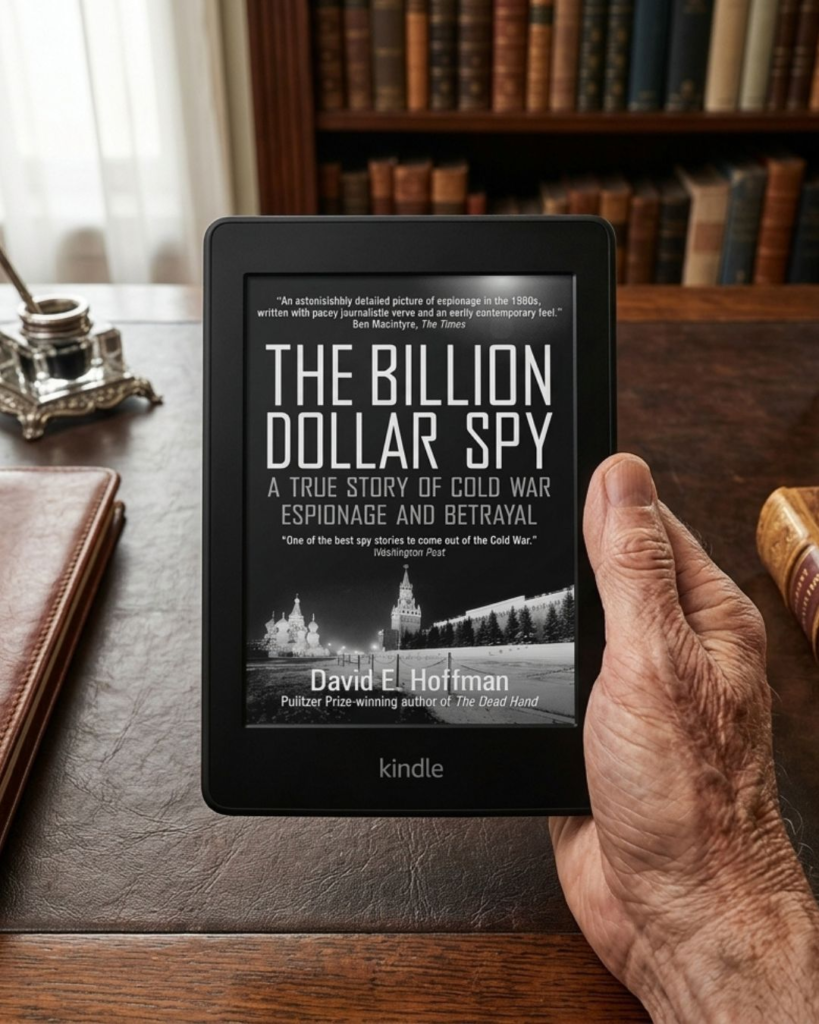
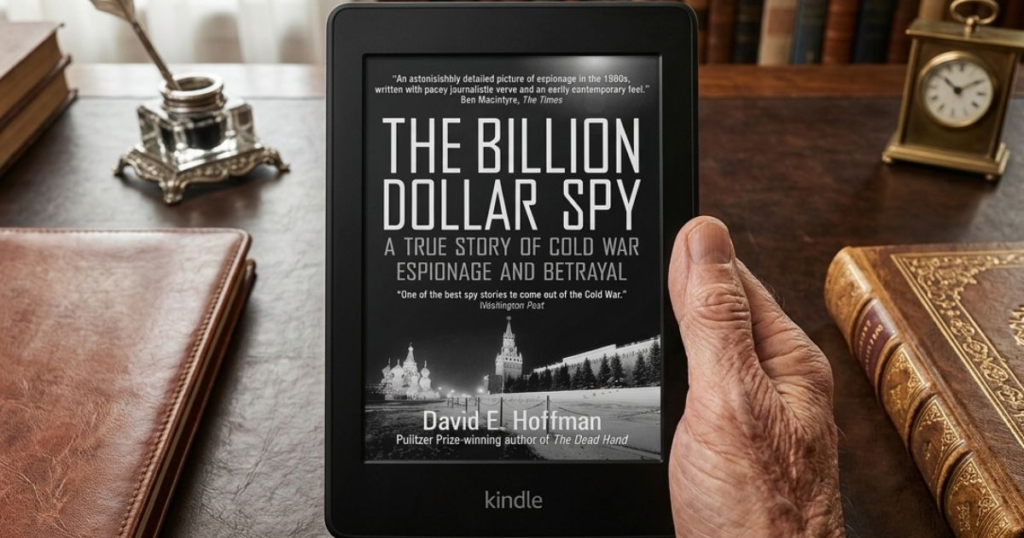
Cold War espionage sounds like a movie plot, right? I thought so too, until I picked up The Billion Dollar Spy by David E. Hoffman. It’s a true story. And it grabbed me from the first page.
Picture this. A quiet engineer in Moscow. A stack of secret files. A war fought with notes, tiny cameras, and raw nerve. That’s the heart of this book, and I want to tell you why it stuck with me long after I finished it.
Who Was Adolf Tolkachev?
Adolf Tolkachev worked as a radar engineer in Moscow. Smart guy. Quiet life. On the outside, he looked like any other Soviet worker. On the inside, he burned with anger at a system that hurt his loved ones and his people.
And he was no spy by trade. He was an engineer who knew radar inside and out. That skill made him gold to the CIA.
So he acted. In January 1977, he walked up to a parked car that held the CIA’s Moscow station chief. He dropped a note through the window. Then he walked away. That one move kicked off one of the boldest chapters in Cold War espionage.
Think about that for a second. The KGB watched everyone. One slip, and he would face prison or worse. Would you take that kind of risk? I’m not sure I would. Yet Tolkachev kept coming back, again and again.
Why the CIA Called Him the Billion Dollar Spy
Tolkachev did not hand over small stuff. He passed along plans for Soviet radar, missile guidance, and fighter jets. From 1979 to 1985, his files gave the U.S. a clear view of Soviet air defenses. American planners used that view. They built better weapons. They drew up smarter air plans.
Think of what that means. Each page he copied helped U.S. pilots. It helped planners too. They could see where Soviet defenses were strong. They could see where those defenses were weak.
The CIA ran the numbers. His data saved the U.S. billions in research and risk. That’s where the nickname came from.
Here’s the part that surprised me. At first, he took no pay. Money was not his drive. He wanted to hit back at a regime he hated. That made him feel real to me. He was not a cartoon hero. He was a man with a cause and a lot of guts.
Spycraft That Feels Real
Forget the gadgets and car chases from films. Hoffman shows you the real thing. Tiny cameras. Secret signals. Quick meetings that lasted minutes. CIA officers in Moscow lived by strict rules, because the KGB tailed them day and night. One wrong move could cost a source his life.
The officers also had to stay cool under pressure. Every extra meeting raised the danger for everyone involved.
I loved this part. You watch the officers train. You watch them sweat. You feel their fear that they might fail the man who trusted them. Every handoff reads like a held breath.
Hoffman knows this world. He spent years at The Washington Post and served as its Moscow bureau chief. He won a Pulitzer Prize in 2010. For this book, he used declassified CIA files and talked to people who were there. His writing stays clean and plain. No fluff. Every chapter pushes the story ahead.
Want to know what real Cold War espionage looked like? This book shows you. It doesn’t blow things up for show. It tells the truth, and the truth is tense enough.
The Betrayal That Ended It All
Now for the hard part. This story does not end well. A former CIA officer named Edward Lee Howard gave Tolkachev’s name to the KGB. The Soviets arrested him. They jailed him. Later, they executed him.
Hoffman does not dress it up. He tells it straight. There is no glory here, only cold truth. The price of Cold War espionage was high, and Tolkachev paid it in full.
I’ll be honest. I felt it in my gut. You spend the whole book rooting for this man. Then one act of betrayal wipes it out. Feels unfair, doesn’t it? It was. And that’s what makes the book hit so hard. It reminds you that these were real people with real lives, not names in a file.
Key Takeaways about Cold War Espionage
Here’s where I land. I gave The Billion Dollar Spy 4 out of 5 stars on Goodreads, and I’d hand it to any friend who likes true stories. Here’s the short version:
- Tolkachev was a Moscow radar engineer. He gave the CIA top-level Soviet military secrets.
- His files saved the U.S. billions and shaped air defense plans.
- Hoffman built the story from real CIA files and firsthand talks.
The ending hurts, but it’s honest.
If you love history, spies, or quiet courage, grab this one. Few books tell Cold War espionage this well. Will you give it a try?