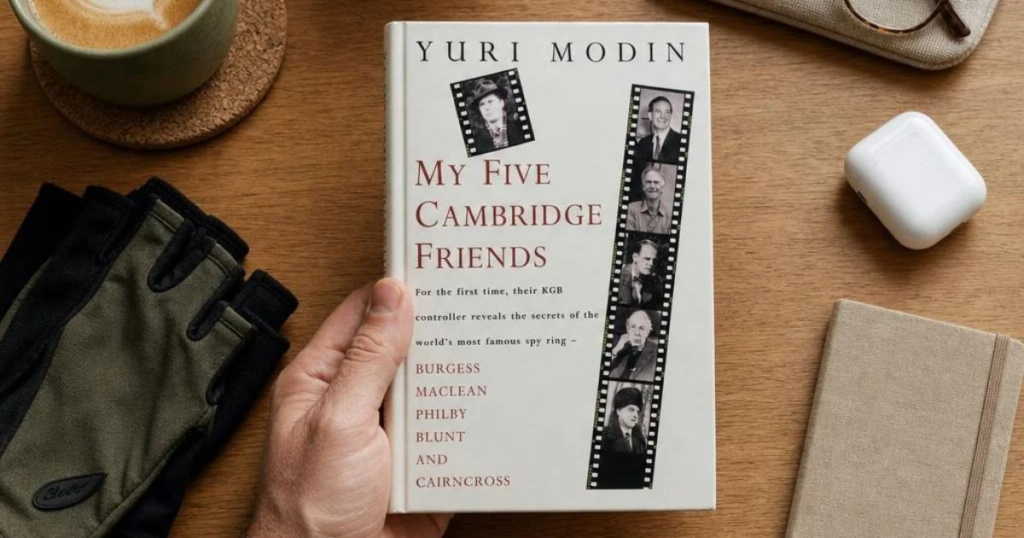
Cambridge Spy Ring Book: A Cold War Spy Story From the Soviet Side
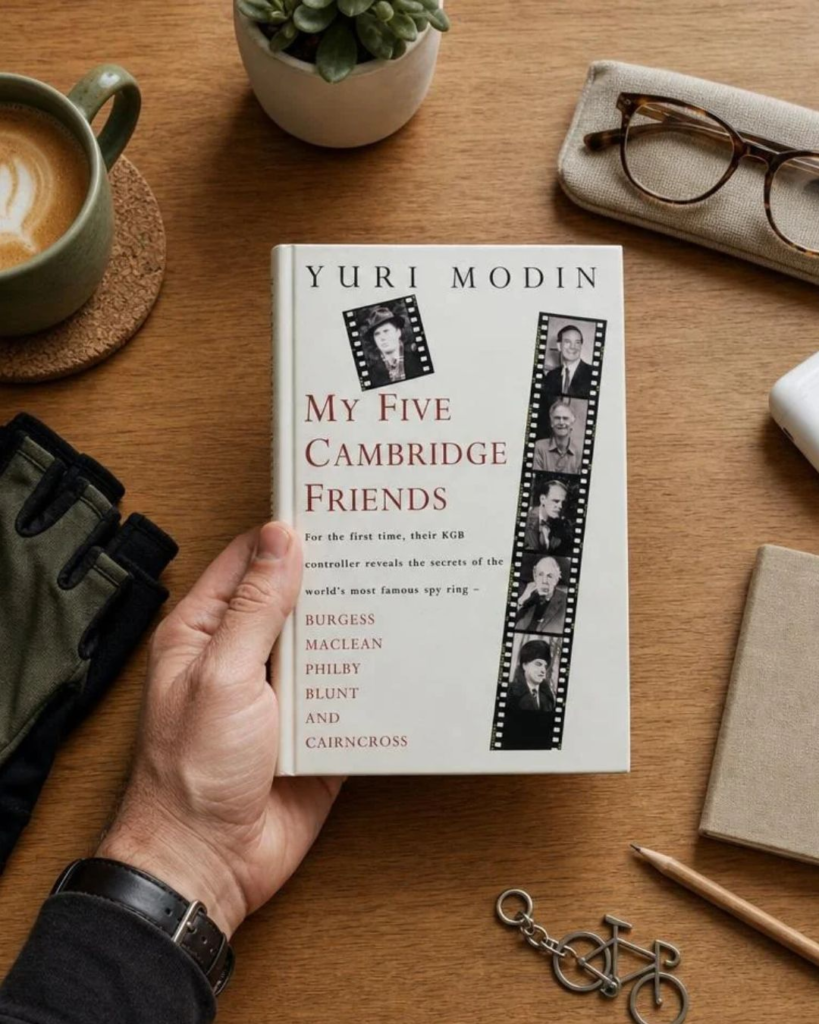
I picked up this Cambridge spy ring book and could not put it down. Not a chance. My Five Cambridge Friends by Yuri Modin comes from the man who ran these spies for Moscow. Yes, the KGB handler himself.
Sounds wild, right? Most spy stories come from the British side. You get MI5, MI6, and the hunt for traitors. This one turns that around. You sit with the Soviets and see the plot through their eyes. I gave it four stars out of five, and I want to tell you why.
Who Wrote This Cambridge Spy Ring Book?
Yuri Modin was born in 1922. He joined Soviet intelligence during World War II and climbed the ranks fast. His big job? Run five British double agents. Guy Burgess. Donald Maclean. Kim Philby. Anthony Blunt. John Cairncross.
Later in life, Modin wrote his story down. He wanted readers to see these men as people, not cartoon villains. That gives the book a warm, human feel. You get his memories, his respect for the spies, and his view of the Cold War.
Does that make him biased? Sure. He worked for the KGB. But that is the whole point. You are not reading a British report. You are reading the other side of the table.
What Happens Inside the Book
The story starts at Cambridge University. Young men there watched fascism rise across Europe. Some of them believed the Soviet Union could stop it. That belief pulled them into spying.
Modin shows how they passed British secrets to Moscow during and after the war. He explains the secret meetings. He explains the coded messages. He shows how the KGB weighed every risk before it made a move. Each chapter adds a little more tension.
Then the walls close in. British intelligence grows suspicious. Burgess and Maclean run to Moscow. Philby slips away from arrest and follows years later. You know how it ends, but the ride still grips you.
The writing is clear and plain. Modin tells you what happened, and you keep up with ease.
Meet the Five Spies in This Cambridge Spy Ring Book
Here is where the book shines for me. Modin gives each Cambridge spy a face.
Burgess was loud and charming. He filled a room. Maclean carried guilt and struggled under the strain. Philby stayed calm and cool, a man who planned each move. Blunt kept his composure. Cairncross kept a low profile and let others take the spotlight.
Five men. Five different minds. One shared belief.
And that belief drove everything. These were not men chasing cash. They thought they were fighting for a better world. Was that noble? Was it foolish? Modin does not tell you what to think. He lays out the facts and the fears, and you decide.
The cost of the secret life shows up on every page. These men lived each day afraid of a knock at the door. Reading that, I felt the weight they carried. You may disagree with their choices. You will still understand the men.
Why the Soviet View Matters
How often do you hear the story from the KGB handler?
Almost never. Most books on this topic lean on British files and British voices. Modin gives you the KGB side of the same events. You see how Moscow handled its agents. You see how it chose what to trust. You see the damage done to British intelligence and the strain on Cold War politics.
That fresh angle is why I rate this Cambridge spy ring book so high. It does not replace the British accounts. It fills in the gaps they leave behind.
Who Should Pick This Up
If you love Cold War history, grab it. If you like true spy tales, grab it. If you want to know why smart, well-schooled men would betray their own country, grab it twice.
Want more after you finish? Try Spycatcher by Peter Wright, a memoir from a former MI5 officer. Or The Spy and the Traitor by Ben Macintyre. Or Operation Mincemeat, also by Macintyre. For a novel, The Spy Who Came in from the Cold by John le Carre is a classic. Each pairs well with a Cambridge spy ring book like this one.
One note. This is a memoir. It is one man’s memory, written from the Soviet side. Read it with an open mind, and keep a second book on the shelf for balance.
Key Takeaways
Here is the short version of my review of this Cambridge spy ring book.
You get a rare look at the Cambridge Five from the KGB controller who ran them. The writing is clear, and the story moves. Each spy feels real, flawed, and driven by belief. The book leaves you with a hard question: where does loyalty end and betrayal begin?
I rate it four out of five stars. If Cold War history grabs you, add this Cambridge spy ring book to your list today.