Meet the British Double Agents Who Shook the Cold War
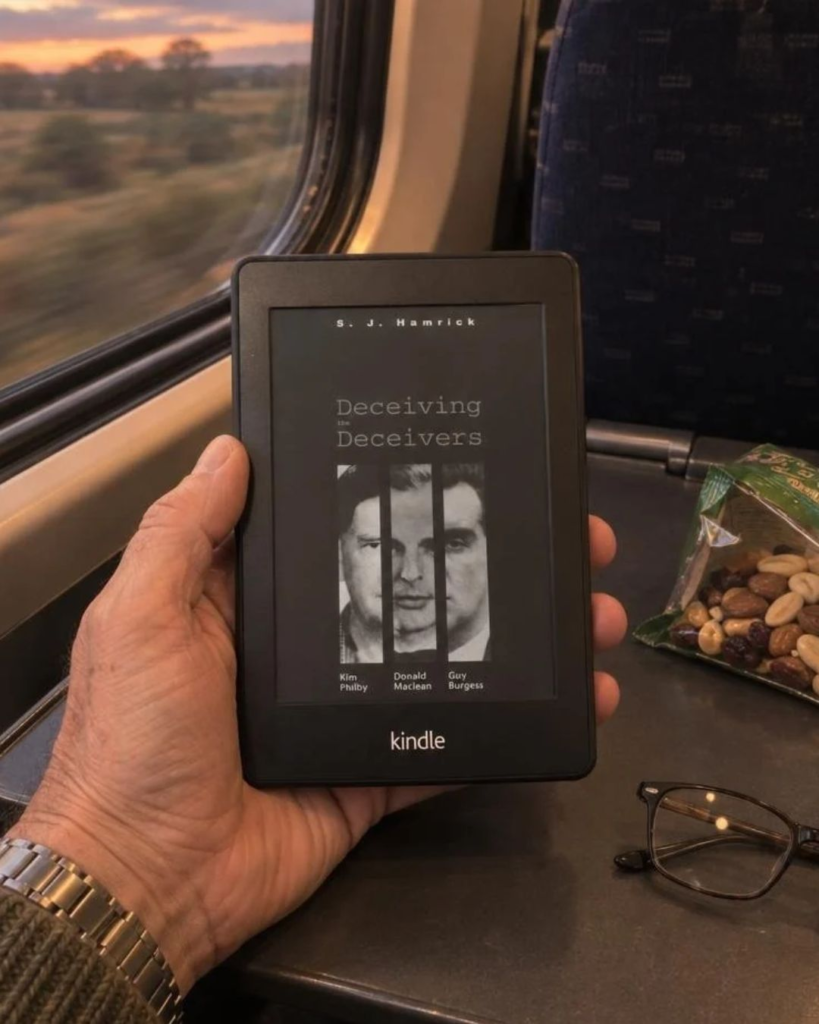
British double agents sound like a movie plot. They are not. Five young men from one famous school spied for Moscow, and they fooled the people around them for years. I love a good spy story, and this one still gives me chills. Here’s the wild part: experts cannot agree on how much harm they did.
Grab a coffee. I’ll walk you through who they were, what they stole, and why people still fight about it. Ready?
Who Were the British Double Agents?
Let’s start with the names. Kim Philby. Donald Maclean. Guy Burgess. Anthony Blunt. John Cairncross. History calls them the Cambridge Five. Most of them studied at Cambridge in the 1930s.
Times were tough. Jobs were scarce. Fascism was growing across Europe. Many bright students looked to communism for answers. These men did not look like traitors. They wore nice suits. They spoke in posh accents. They had friends in high places. And that was the point. Soviet recruiters wanted people who could enter the halls of power. No one would blink.
Philby worked his way into MI6. Maclean landed a post at the Foreign Office. Burgess moved between the BBC and the government. Blunt served in MI5. Cairncross passed notes from several offices. Think about that. Spies sat inside Britain’s own government.
What the British Double Agents Handed to Moscow
So what did they take? A lot. Maclean read secret cables between London and Washington. He saw talk about atomic weapons and war plans. Philby knew about agents sent behind the Iron Curtain. Many of those agents never came home. That part makes my stomach turn.
Cairncross sent Moscow papers on German forces during World War II. Some say that help won the Soviets a big battle. Burgess carried bags of files out of the Foreign Office so others could copy them. Blunt shared what he learned in MI5. Page after page flowed east.
In 1951, Maclean and Burgess ran. They fled to the Soviet Union. The news shocked the public. How could two diplomats vanish like that? Someone had tipped them off. All eyes turned to Philby. He stayed cool and denied it for years. Then, in 1963, he vanished too.
Life in Moscow was not the dream they hoped for. Burgess died there in 1963. Maclean followed in 1983. Philby lasted until 1988. Lonely. Bitter. Far from home.
Why Experts Still Argue
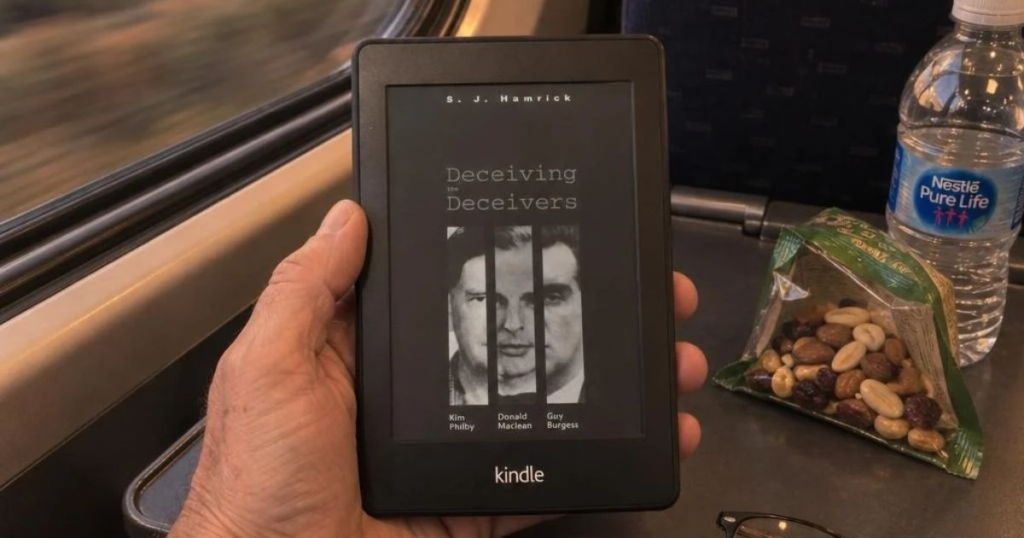
Here’s where it gets fun. Most books paint the Five as master spies who fooled the West. But some writers push back. S. J. Hamrick, a former CIA officer, wrote a book that asks harder questions. The book title is Deceiving The Deceivers. He wonders if these men were as loyal or as sharp as people claim. Western agencies used them in ways we never saw. Sounds crazy, right?
Think about it. Moscow often doubted the Five. Some Soviet bosses feared they were double agents. Much of what they sent looked too good to be true. So the Soviets sat on some of it. That means the damage may be smaller than the legend says.
But the other side has a point too. Agents died. Secrets leaked. Trust between London and Washington cracked. For a while, the Americans shared less with Britain. That harm was real.
I read Hamrick’s book and gave it three stars. It made me think. It did not answer every question. No book can.
Why British Double Agents Still Matter Today
Spy stories are fun. But this one teaches us something. The Five got in because of who they knew. Old school ties opened doors. Nobody checked too hard. People trusted them because they sounded right and looked right.
We still do this. We trust the friendly face. We skip the hard questions. This story shows what happens when a system trusts too much. Have you ever ignored a red flag because someone seemed nice? Same trap.
It also shows how people drift into betrayal. These men did not wake up one day and choose to be villains. They believed in a cause. They told themselves a story. Then they kept going, even as the cost grew. That scares me more than any gadget or gun.
Key Takeaways
These British double agents were five men from Cambridge. They spied for the Soviet Union. They rose high in government. People trusted them because of their class and their manners. Their secrets cost lives and shook the bond between Britain and America. Experts still debate how useful they were to Moscow. And the biggest lesson? Trust is good, but checking is better.
Want more spy history? Pick up a Cold War book this week. You might never look at a quiet neighbor the same way.