How Belgian Congo Uranium Changed World War II
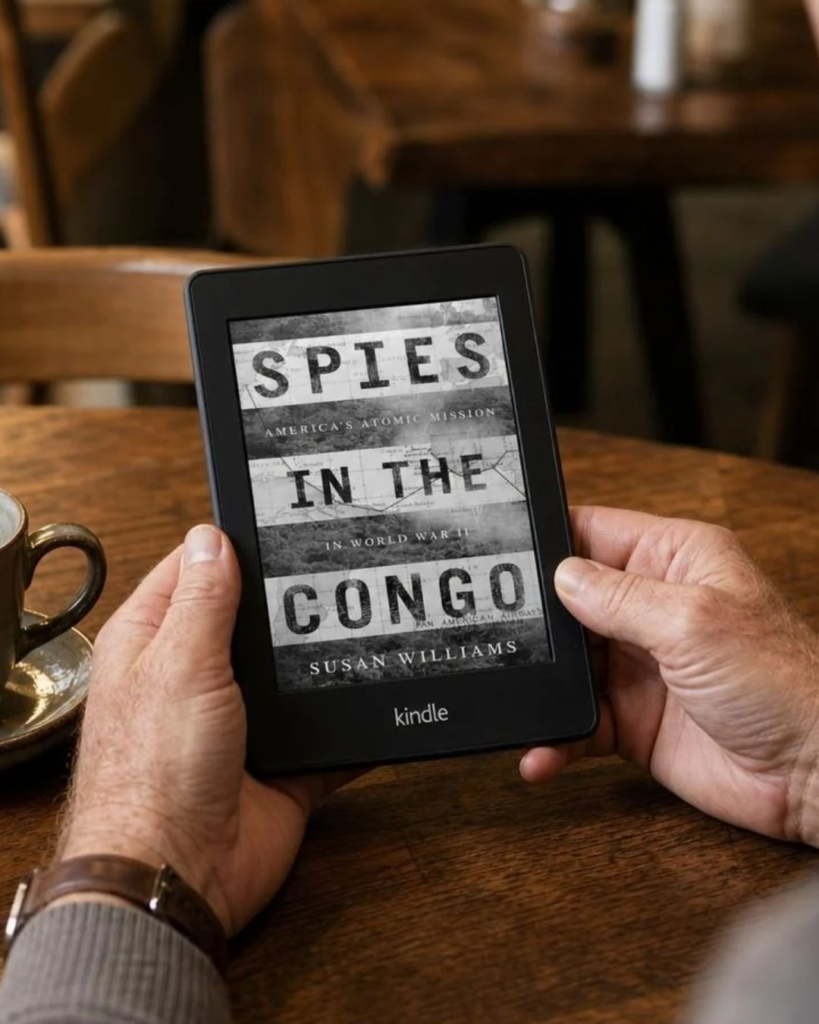
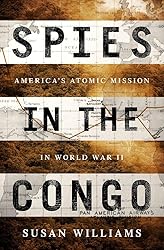
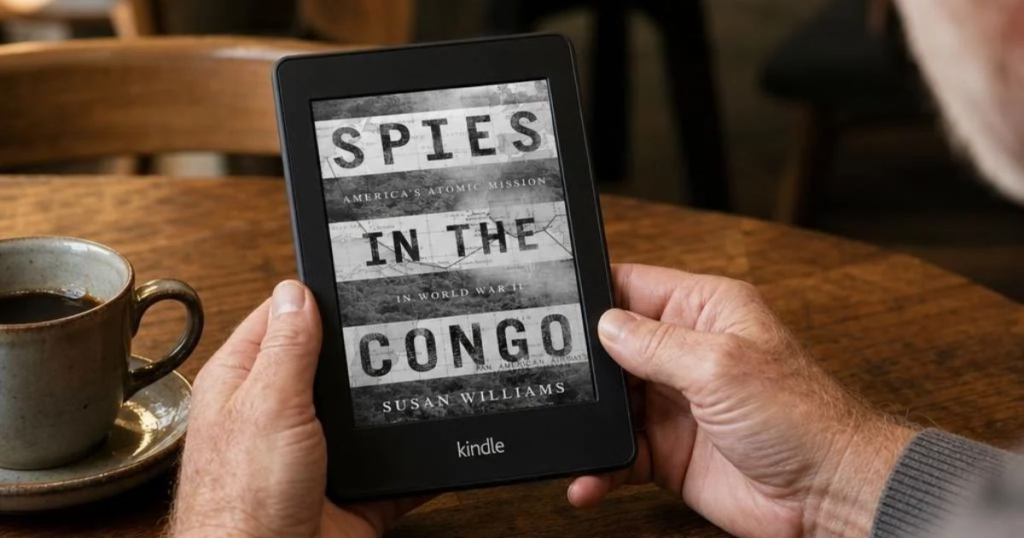
Belgian Congo uranium sounds like a dry history topic. It is not. It is a story of spies, trains, and a secret race to build the first atomic bomb. I read about it in Spies in the Congo by Susan Williams, and it changed how I see World War II.
Here is the wild part. The best ore sat in a mine in Africa. The United States and Nazi Germany both wanted it. And school never taught us about that fight. Ready to hear how it played out?
Why Belgian Congo Uranium Mattered So Much
Let me set the scene. In the 1940s, the world was at war. The United States had joined the Manhattan Project. Scientists needed top-grade uranium to build atomic bombs. Weak ore would not do.
Albert Einstein told President Franklin D. Roosevelt where to look. The answer was the Shinkolobwe Mine in Katanga. The book says it held the only high-quality uranium. That made Belgian Congo uranium a prize worth fighting for.
So both sides moved. Nazi agents were a real threat. The United States sent spies of its own. Sounds like a thriller, right? It was real life.
The Long Road for Belgian Congo Uranium
Digging up the ore was step one. Moving it was the hard part. Picture the route. The ore had to pass through a port in Angola, and that port was full of spies. Next came 1,500 miles of rail across the Congo. After that, ships or planes carried it to the United States.
Think about the risks. A Nazi agent could steal a crate. A saboteur could block the line. One bad day, and the bomb project could stall. That is a lot of pressure for a pile of rocks.
To guard the cargo, the Office of Strategic Services sent in a team. Wilbur Owings “Dock” Hogue led it. His agents watched the shipments and kept enemy spies away. Susan Williams also tells of secret missions and double agents in colonial Africa.
The People Who Guarded Belgian Congo Uranium
The team was small. A handful of men and one woman took on this job. They worked to stop Hitler from getting the bomb. Williams used American and British archives. The details feel solid. She makes you care about these folks.
But the story goes beyond spies. Congolese workers mined the ore and kept it moving. Belgian colonial rule was harsh, and racism shaped how bosses treated those workers. Williams puts that front and center. I liked that. It kept the tale honest. Nobody gets a free pass.
Who gets credit in war? Who pays for it? Those questions still matter today.
What I Learned About Spies In The Congo
I rated the book 3 out of 5 on Goodreads. The facts are strong. The topic is rare. But the writing is heavy. Some pages pack in names and dates. I had to slow down and reread a few parts.
Still, I walked away with a new view. The atomic age did not start in a lab alone. It also started in a mine, on a rail line, and in a port full of spies. That blew my mind. Belgian Congo uranium links Africa to the start of the nuclear age.
Should You Read Spies In The Congo?
If you love World War II, you will enjoy it. Spy fans will too. So will anyone curious about how the atomic age began. But know what you are getting. This is not a fast chase story. It is a slow build of quiet moves and big fears. Think chess, not fireworks.
The book also sparks good talk. Was the mission fair to the Congolese? Did the goal excuse the cost? You may find yourself arguing with a friend over coffee. Grab a notebook too. With so many names, it helps.
Key Takeaways
Here is what stays with me about Belgian Congo uranium:
- The Shinkolobwe Mine in Katanga held the high-quality ore the bomb program needed.
- The ore passed through a spy-filled port in Angola. Then it rode 1,500 miles by rail. A ship or plane took it from there.
- A small OSS team led by Dock Hogue guarded the cargo from Nazi agents.
- Congolese workers and colonial rule shaped the whole story, and Williams does not hide it.
- The book is dense but rich, and I rate it 3 out of 5.
Have you read it yet? If hidden history is your thing, give it a try. You may never think about the start of the atomic age the same way again. Leave a comment and tell me your take.