What One Book Taught Me About Spies, Warlords, and Missed Warnings
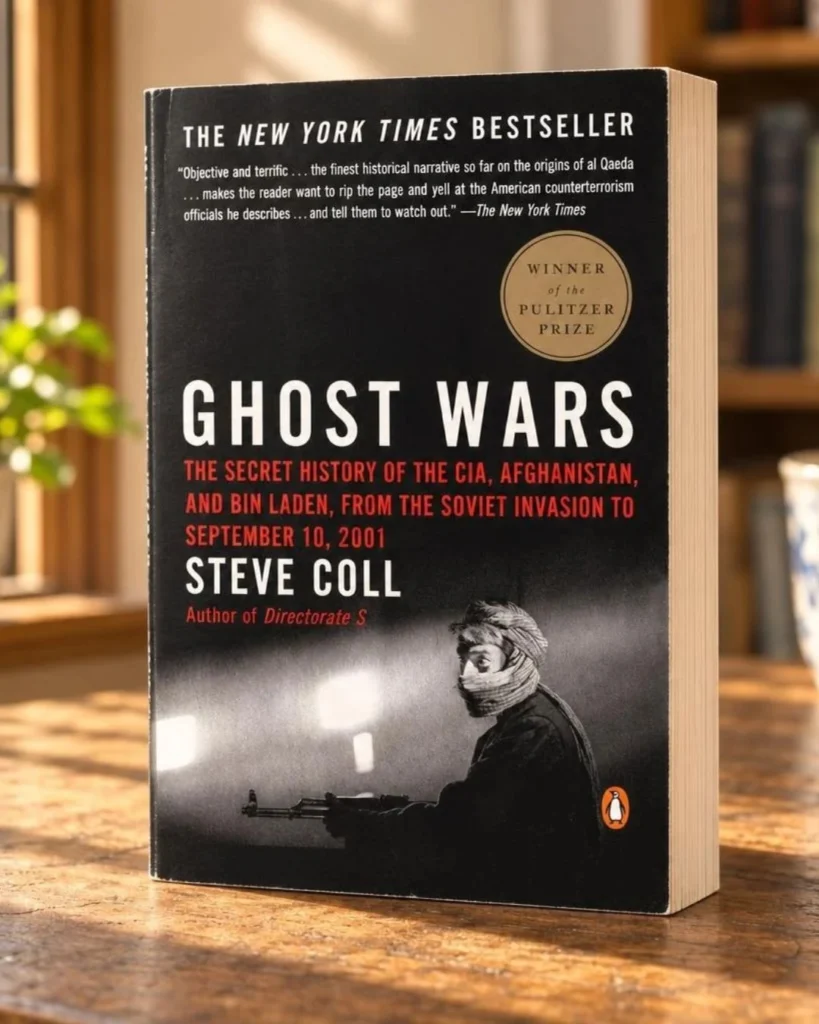
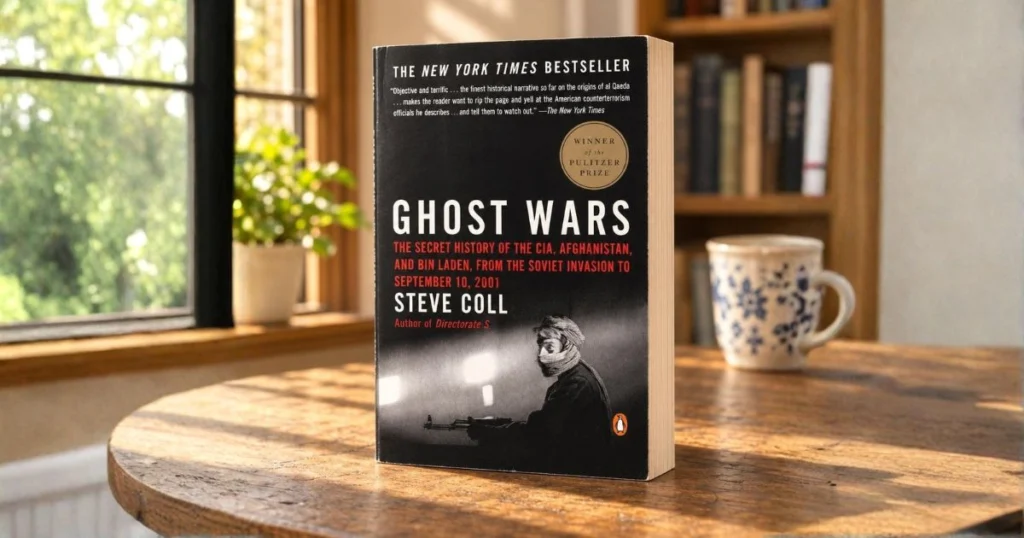
The CIA in Afghanistan is a story most of us know in scraps. A headline here, a movie there. So I picked up Steve Coll’s big book on the subject to see the full picture. Wow. It changed how I see 9/11.
The full title says it all: Ghost Wars: The Secret History of the CIA, Afghanistan, and Bin Laden, from the Soviet Invasion to September 10, 2001. That’s a lot of history. But Coll makes it flow like a spy thriller. And it’s all true.
Why the CIA in Afghanistan Still Matters Today
Let’s start in 1979. The Soviets rolled into Afghanistan. Washington saw a chance to bleed its Cold War rival. So the CIA stepped in, but not alone. Pakistan’s spy agency ran the pipeline. Saudi Arabia wrote big checks. The Afghan fighters, called the mujahideen, did the dying.
One big turning point came in the mid-1980s. The US sent shoulder-fired Stinger missiles to the fighters. Soviet helicopters started falling out of the sky. The war shifted. Coll walks you through the debate inside Washington about that move, and the fights over it make for great reading.
Here’s what struck me. The CIA did not run the show on the ground. It handed money and weapons to Pakistan, and Pakistan picked the winners. Americans had little say. Sounds odd, right? Yet that was the deal. Coll shows how this hands-off plan worked for the war and failed for what came next.
The Soviets left in 1989. And the US walked away too. Afghanistan sank into war between rival groups. Out of that mess came the Taliban, and a rich Saudi named Osama bin Laden settled in. Think about that. The tools and contacts built during the Cold War fed the next fight.
I liked how Coll treats the CIA in Afghanistan as a mix of people, not a single machine. You meet case officers who begged for more help. You meet bosses who feared another expensive mess. You meet Afghan leaders, like the fighter Ahmed Shah Massoud, who wanted real partners and got half promises. That tension runs through every chapter, and it makes the story feel human.
What the CIA in Afghanistan Got Wrong Before 9/11
Then came the Taliban in the mid-1990s. Some outsiders hoped they would end the chaos. That hope faded fast. Coll shows how the group gave bin Laden a safe home. He also shows how little the CIA knew about the men in charge. The agency had few sources and almost no one inside the country.
By the late 1990s, the CIA knew bin Laden was a danger. A small team tracked him. They drew up plans to grab him. Some plans never left the table. Why? Fear of failure, fear of lawyers, fear of hurting allies. Not a good mix.
Coll also covers the Predator drone flights over Afghanistan in 2000. Picture a spy plane with no pilot, beaming live video of a compound. The tech was close to ready. The rules were not. Nobody could agree on who would pull the trigger. And the clock kept ticking.
I won’t spoil the details, but the book ends on September 10, 2001. That choice hits hard. You know what’s coming. The people in the pages do not. It’s like watching a car head for a wall.
Who Should Read This Book on the CIA in Afghanistan
Be honest with yourself first. This is not a quick beach read. It runs long, and it has a big cast. Names pile up fast. I kept a notes app open to track who was who. But it pays off.
The book comes in Kindle, audiobook, hardcover, and paperback. Pick the format that fits your life. If names trip you up, an audiobook helps, since you hear each one said out loud.
If you like history, you’ll love this look at the CIA in Afghanistan. If you follow politics, you’ll see old choices still shaping today’s news. If you enjoy spy stories, you get real ones, with real stakes. Coll won a Pulitzer Prize for his reporting, and it shows. His writing is clear. His facts are solid. He never talks down to you.
I gave it five stars on Goodreads. No second thoughts. It is one of the best books I have read on the CIA in Afghanistan, and I’d hand it to anyone who wants the real story behind the headlines. Have you read it? Tell me what you made of it.
Key Takeaways
Here’s the short version.
- The CIA in Afghanistan helped win a war and lost the peace.
- Pakistan and Saudi Arabia shaped the war as much as Washington did.
- Warning signs about bin Laden showed up for years.
- Big agencies miss big things when no one owns the problem.
- Good history makes today’s news easier to read.
- And if you want one book to start with, this is it.