Why Thirteen Tells the Apollo 13 Story Best

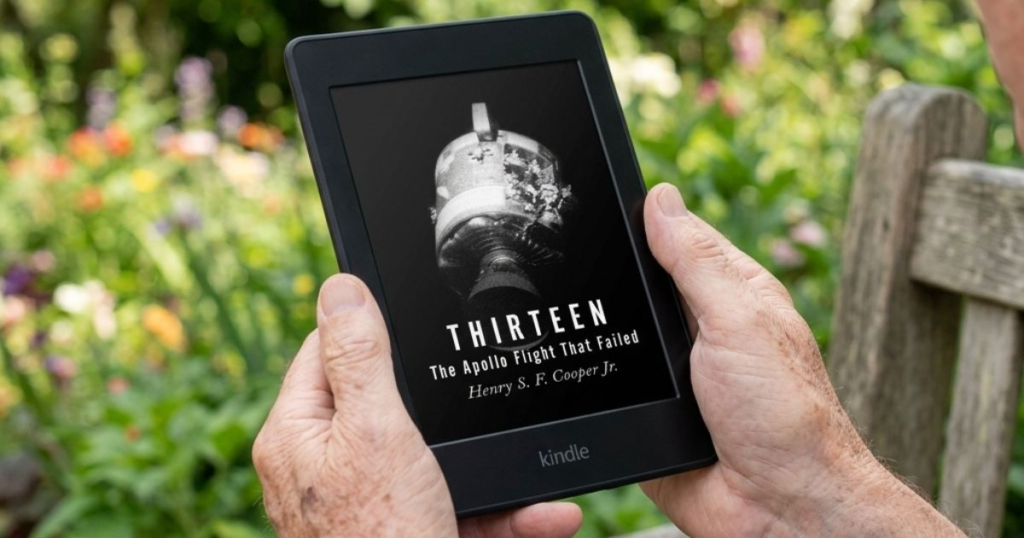
Here is my Apollo 13 book review, and I’ll say it up front. This book hooked me. You know the movie, right? The big music, the famous line about Houston, Tom Hanks sweating it out. But Thirteen: The Apollo Flight That Failed, by Henry S. F. Cooper Jr., tells a quieter story. And it feels more real to me.
I gave it five stars. Let me tell you why.
What Happens in Thirteen
The mission started like any other. Jim Lovell, Jack Swigert, and Fred Haise blasted off in April 1970. Their goal? The Moon. It would be the third landing.
Swigert joined the crew late. Measles exposure grounded another astronaut, so NASA swapped him out days before launch. Talk about a rough week.
Then, two days in, an oxygen tank blew apart. Boom. Power dropped. Air leaked. The crew sat about 200,000 miles from home.
The landing was off the table. Now they had one job. Get home alive.
Cooper walks you through each hour of that fight. He explains the machines in plain words. You don’t need a science degree. I never earned one, and I followed every page. The crew moved into the lunar lander and used it as a lifeboat. The cabin got cold. Water ran low. Everyone felt tired. And the clock kept ticking.
Why Mission Control Steals the Show
Here is what sets Thirteen apart. Cooper puts the spotlight on the ground. Engineers, flight controllers, and techs in Houston fill the pages. They worked around the clock. They solved one problem, then the next, then the next.
Picture a room full of coffee cups, paper, and tired people. Now picture them building a fix from the junk the crew had on board. One famous example involved air filters. The filters in one ship did not fit the holes in the other. Sounds crazy, right? Yet the team found a way to make them work with tape, plastic, and cardboard.
I love stuff like this. No magic. No hero speech. Smart people doing their jobs. This Apollo 13 book review would feel empty if I skipped that part, because it’s the heart of the book.
The astronauts get credit too. They stayed cool when things got ugly. But Cooper makes it clear that the crew and the ground team won as one unit. When the capsule hit the Pacific on April 17, all three men were alive. I’ll admit it. I grinned like a kid.
How the Book Stacks Up Against the Movie and Lost Moon
Lovell wrote his own memoir, Lost Moon. The movie came from that book. Both put the astronauts front and center. Cooper takes a different road. He follows the engineers and the data. His tone stays calm. He skips the fake drama.
Does that make it boring? Not a chance. The danger sells itself. When you know three men could die, you don’t need loud music. The calm voice makes the tension grow, page after page.
Cooper wrote for The New Yorker, and he followed NASA for years. His style is clean and sharp. Short sentences. Plain facts. If you like that kind of writing, you will love this book. I read the last third in one sitting. My coffee went cold. I didn’t care.
Who Should Pick Up This Book
Space fans, for sure. History buffs. Anyone who loves a true survival story. It works if you’ve never seen the movie. It works even better if you have.
One warning. A few parts slow down when Cooper explains the systems on the ship. If you want action on every page, you may skim. I didn’t mind. I wanted to know how things worked, and he made it easy.
You can grab it as a Kindle, paperback, hardcover, or audiobook. The audiobook would be great on a long drive. Keep your eyes on the road when the oxygen tank blows.
Key Takeaways
Let me boil this Apollo 13 book review down to a few points.
- Thirteen is a true, calm, clear account of NASA’s third Moon mission.
- The spotlight lands on Mission Control as much as the crew.
- The writing is plain, so anyone can follow it.
- The book skips the Hollywood noise and lets the facts do the work.
- Some tech parts move slow, but the payoff is worth it.
So here is my verdict. Read it. It shows what people can do when the stakes are high and the clock is loud. And if you’ve read it already, tell me what you thought. I’d love to hear it.
That wraps up my Apollo 13 book review. Now go find a copy.