From Enigma to Cyber Wars
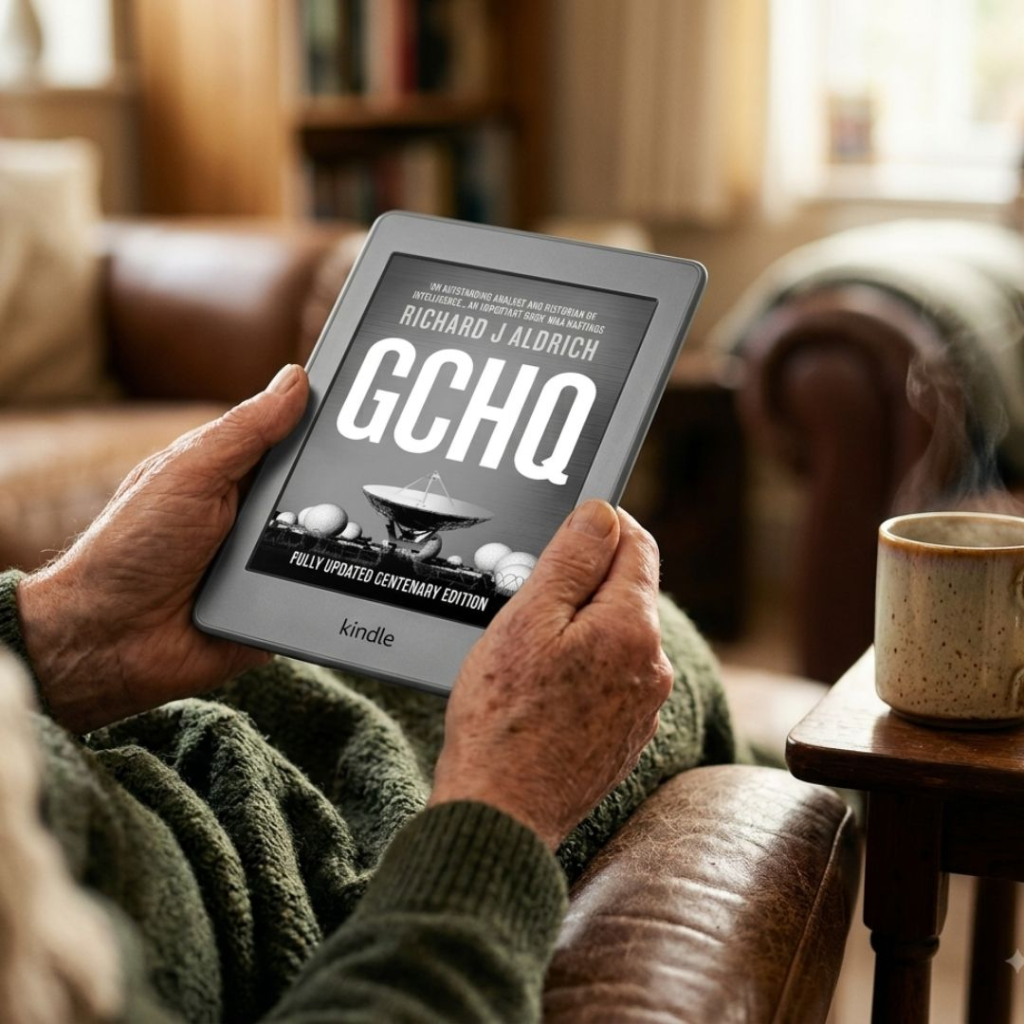
I grabbed Richard Aldrich’s book on a whim. I did not expect to get hooked. But here we are.
GCHQ intelligence history is wilder than any spy movie. And I mean that. This agency started in World War I. It grew from a small room of radio listeners into Britain’s most powerful secret shop. Today it sits in a giant glass doughnut in Cheltenham. Sounds crazy, right?
The book opens with Bletchley Park. You know the place. Turing and his team cracked Enigma there. They saved thousands of lives. They also built the future. Every text you send traces back to those huts. The codebreakers invented modern computing. They did not know it then. But they did.
Aldrich tells it straight. He does not fluff things up. The agency grew fast after World War II. The Cold War hit. GCHQ listened to Soviet radios. They tapped phones. They read cables. Britain and America teamed up. The UKUSA Agreement bound them tight. Five Eyes was born. Canada, Australia, and New Zealand joined the club. They shared secrets. They built a global ear.
And then the world changed.
The internet exploded. GCHQ changed too. Radio waves turned into data packets. The agency moved from headphones to hard drives. Aldrich walks us through TEMPORA. This program scoops up internet traffic by the boatload. It sparked outrage. Edward Snowden blew the whistle. People asked hard questions. Who watches the watchers? Does safety beat privacy? Aldrich lets you decide. He stacks the facts. He steps back.
I loved the middle chapters. Aldrich shows how GCHQ fights cyber wars today. Hackers hit power grids. Terrorists plot online. The agency tracks them. It breaks into networks. It plants code. It defends banks and hospitals. The work is tense. The stakes are real. One slip and the lights go out. Think about that.
But the book is not all glory. Aldrich admits the failures. Intelligence gaps let terror slip through. Bureaucracy slows things down. Secrecy breeds distrust. The public does not know half of what GCHQ does. That is by design. It is also a problem.
The writing stays sharp. Aldrich uses short chapters. He avoids big words. He wants normal people to get this stuff. And we do. The book reads like a chat over coffee. No jargon. No fluff.
Some readers want more dirt. They crave every scandal. Aldrich cannot give that. Files stay locked. Sources stay quiet. He works with what he has. And what he has is plenty. Declassified papers fill the pages. Insider accounts add color. The picture is full. It is honest.
Once I started reading, I found it hard to put the book down. GCHQ intelligence history matters more now than ever. Russia hacks elections. China steals secrets. Criminals ransom hospitals. Britain needs eyes and ears. GCHQ provides both. But power costs something. Freedom shrinks when watchers grow. The book asks us to face that trade-off.
Aldrich also digs into the people. He shows us the workers behind the screens. They are not superheroes. They are normal folks with hard jobs and hard choices. They drink coffee. They mess up. They win small and lose small. The human side hits hard.
The Cheltenham headquarters gets its own chapter. The Doughnut rises from the English countryside. Thousands work inside. They park their cars. They swipe their badges. They sit at desks and stare at monitors. It looks like any office. But it is not. Decisions made there shape wars. They stop bombs. They start debates.
I kept thinking about my own phone. GCHQ intelligence history is not just old stories. It is happening now. Your data flows through cables they tap. Your clicks feed algorithms they run. Aldrich makes this clear. He does not scare you. He informs you. That is rare.
Because the truth is, we all live in the surveillance age now. We just do not talk about it much. Aldrich changes that. He opens the door. He lets us peek inside.
So should you read it? Yes. If you care about spies, tech, or power, grab a copy. Aldrich delivers. He shows us the wires behind the curtain. He shows us the humans behind the code.
Britain built something huge in the shadows. Aldrich drags it into the light. Not all of it. But enough. Enough to make you think. Enough to make you worry. And maybe enough to make you proud.
Check it out. Then look at your phone. Someone might be listening.
